-
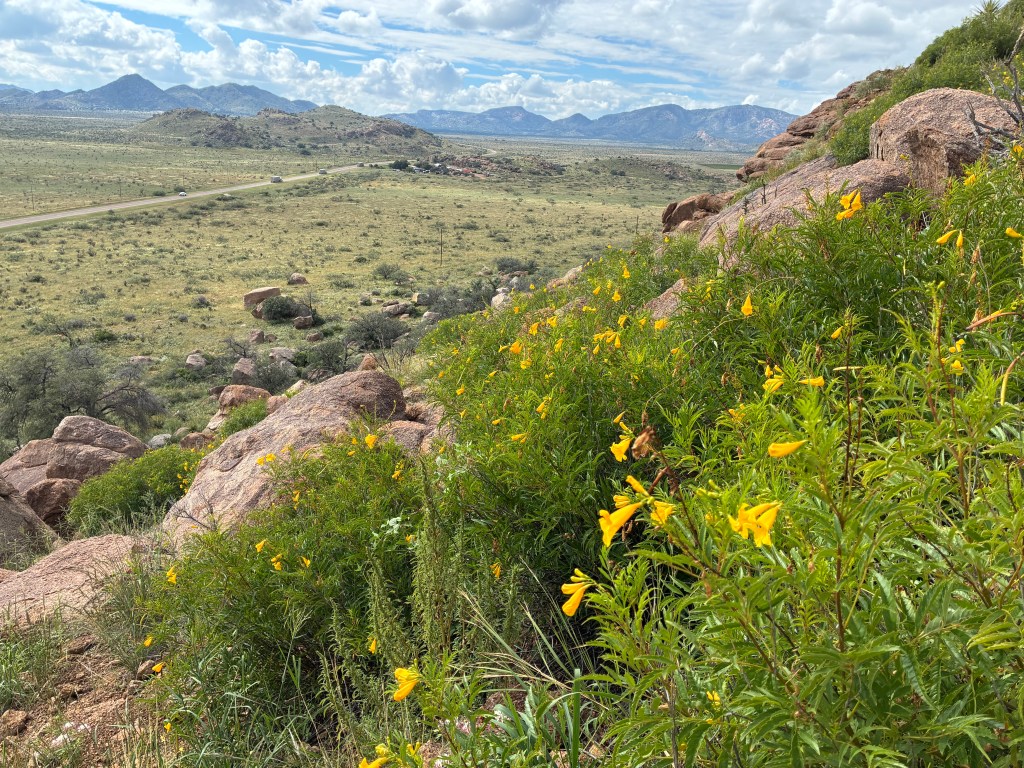
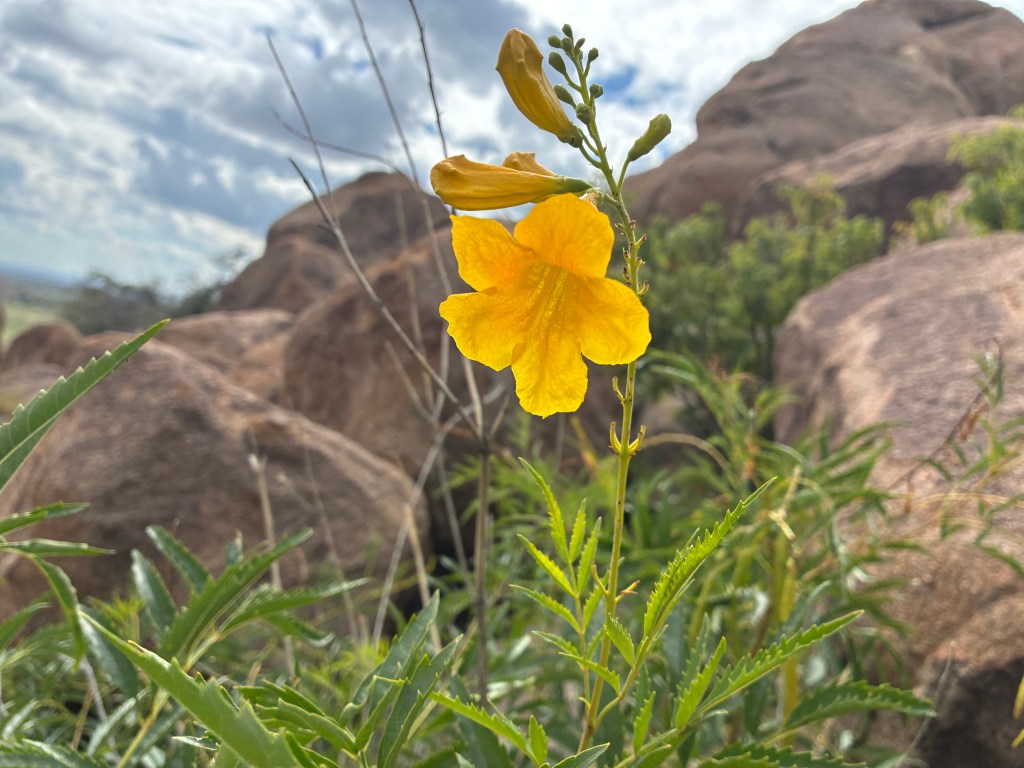
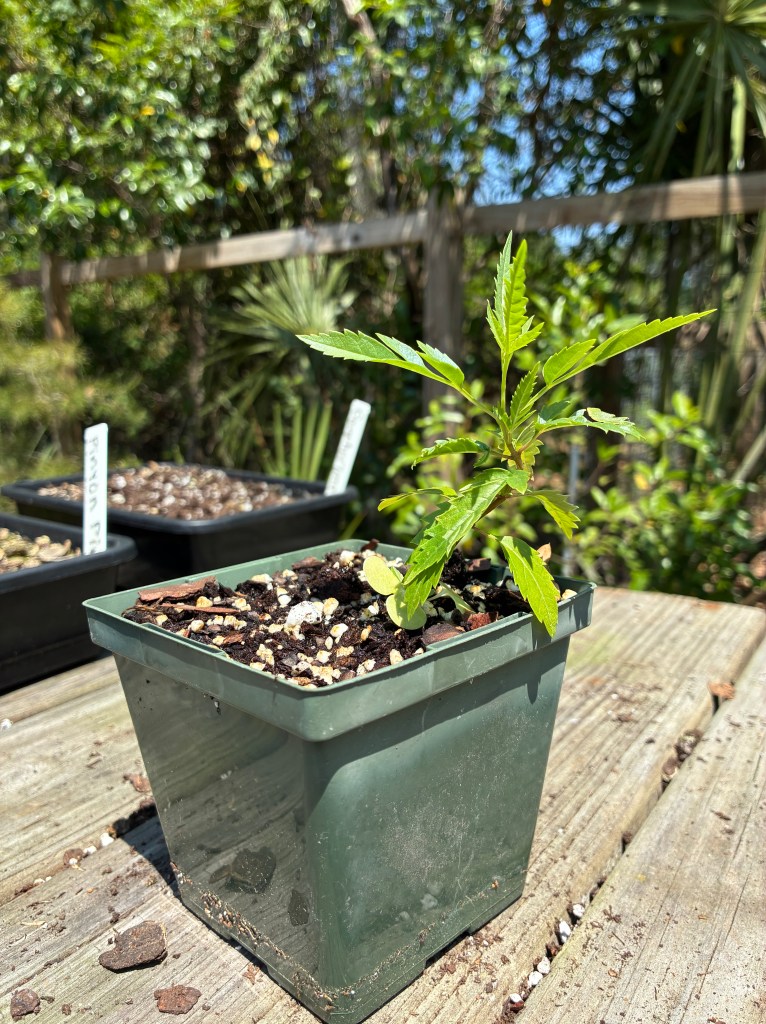
Alpine Texas Esperanza
-
burn baby burn
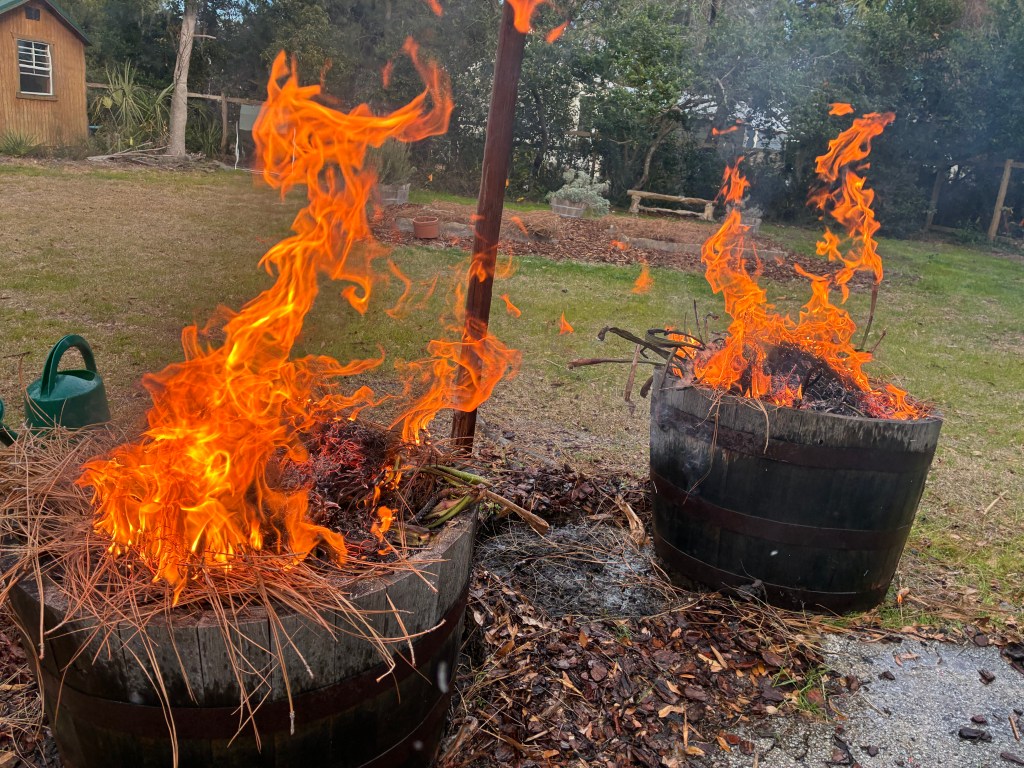
Burned 2/14/26 (Valentine’s Day)
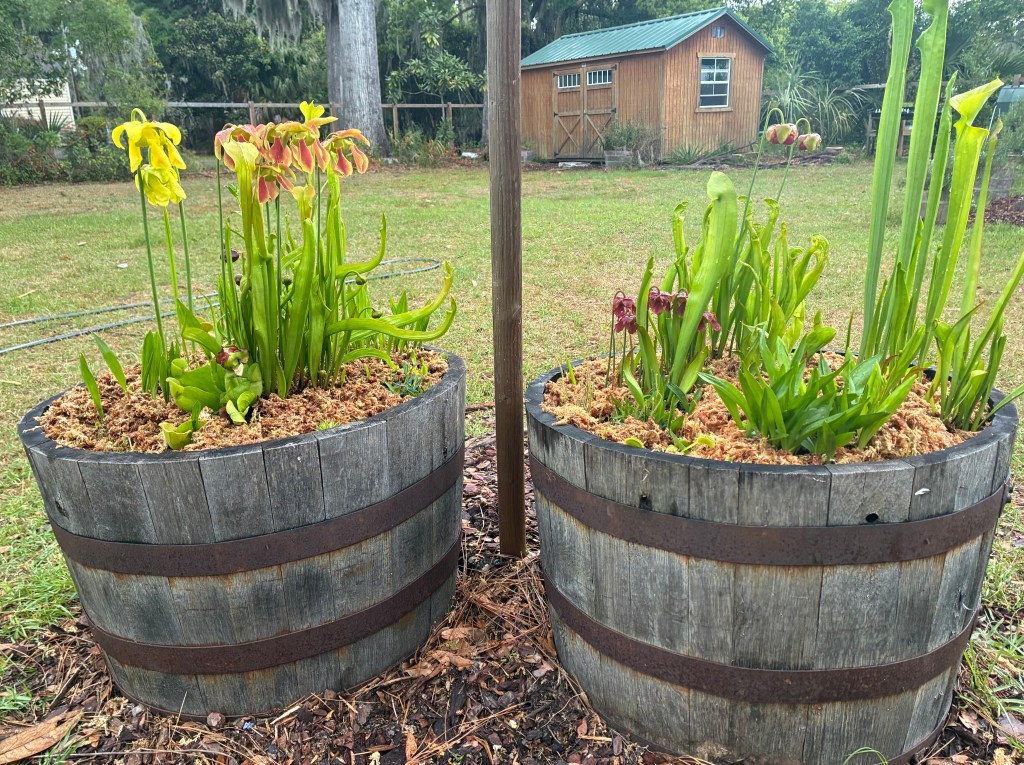
April 5th, 2026
-
Mountain Sweet Momma
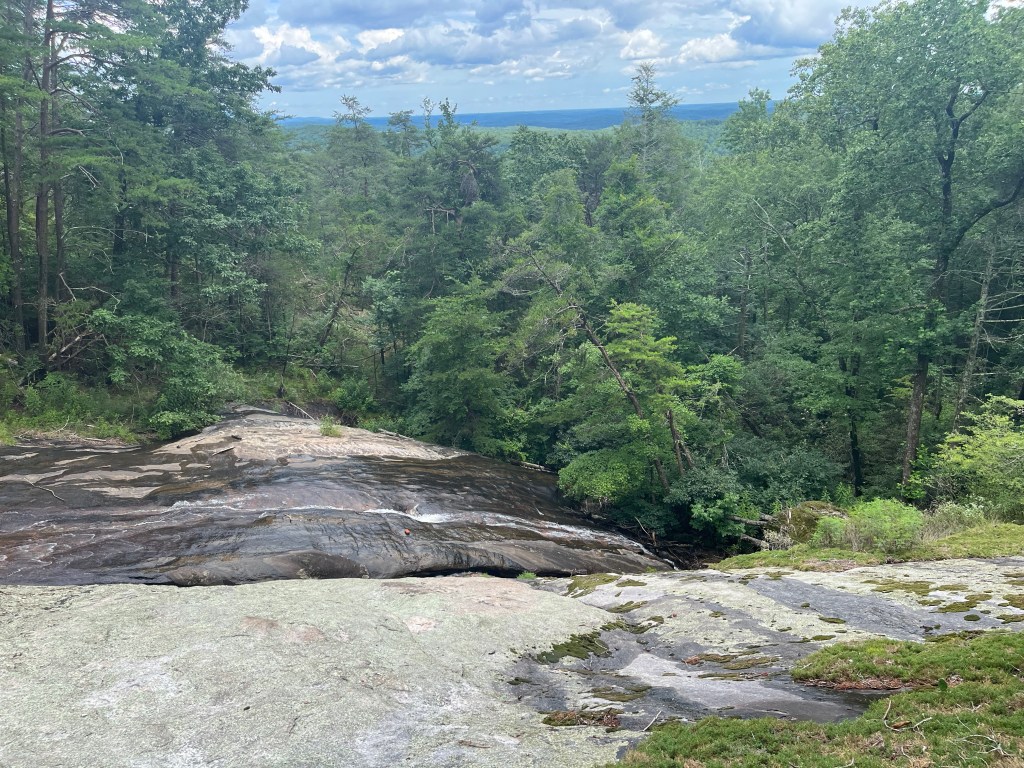
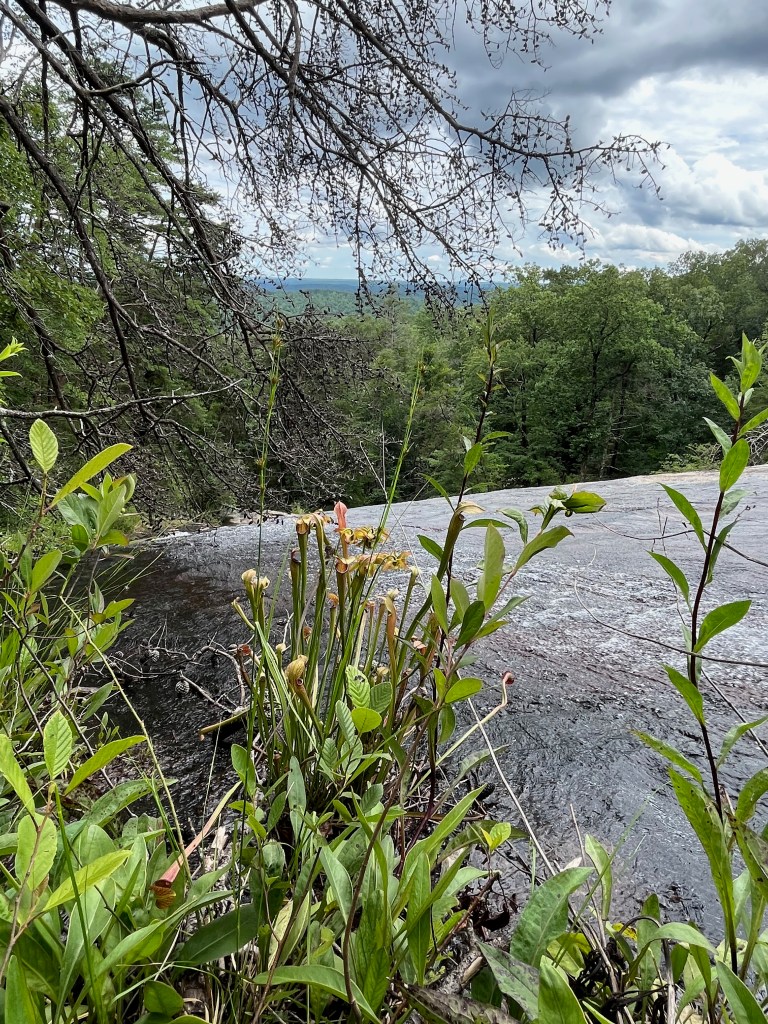
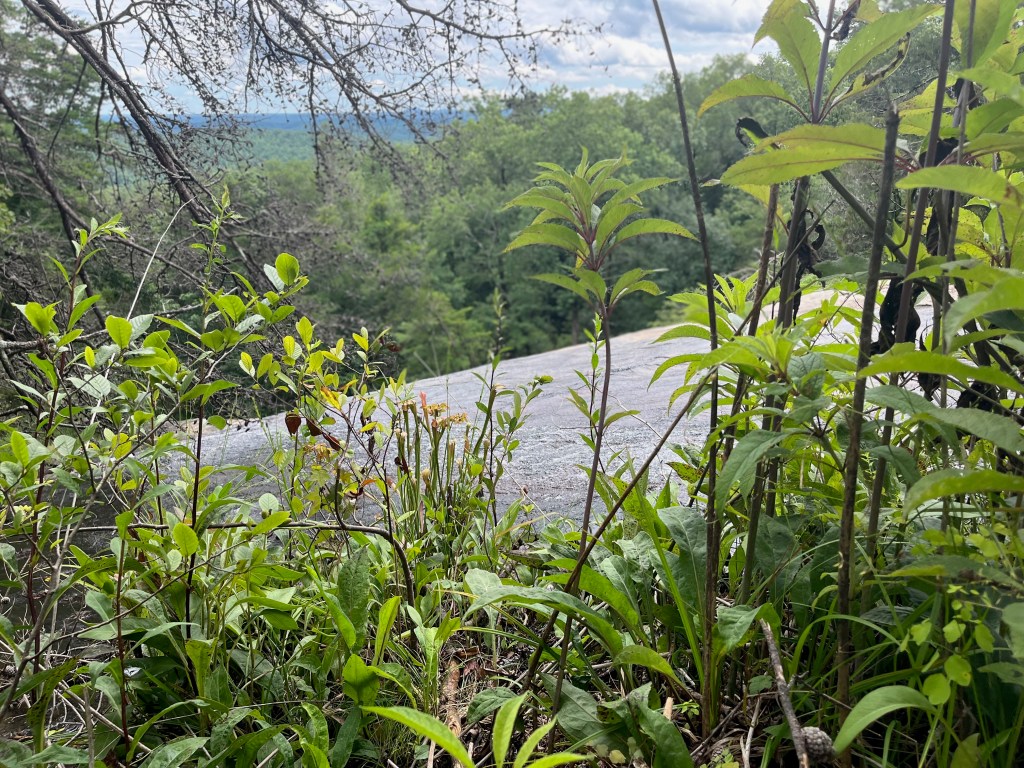
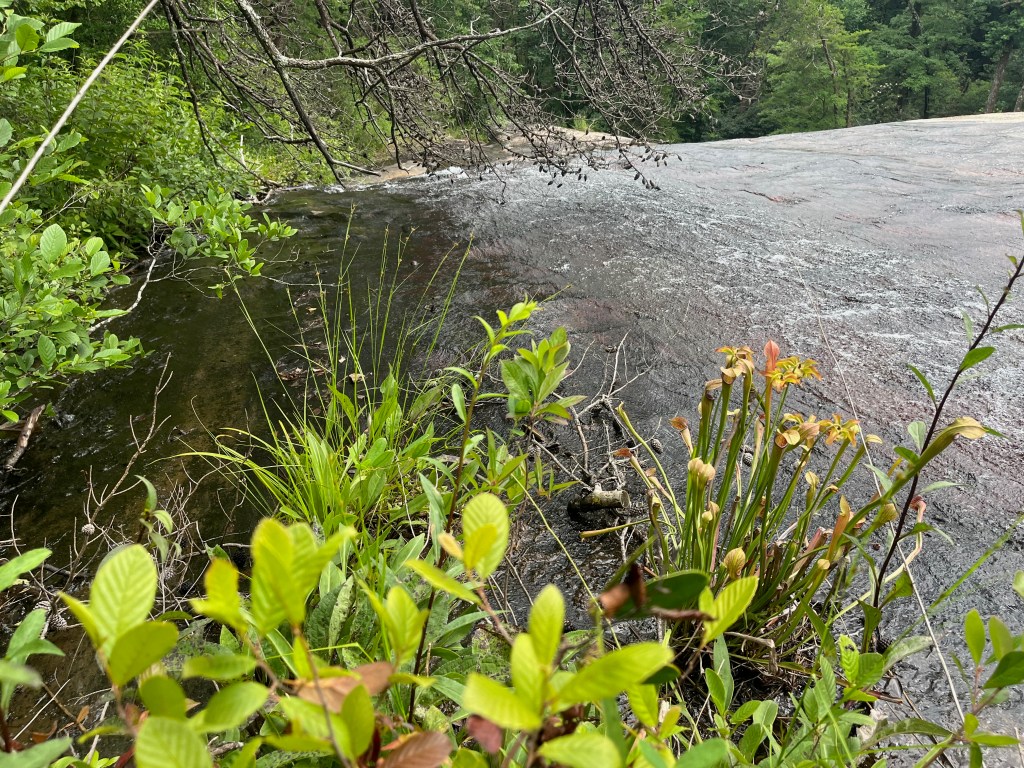
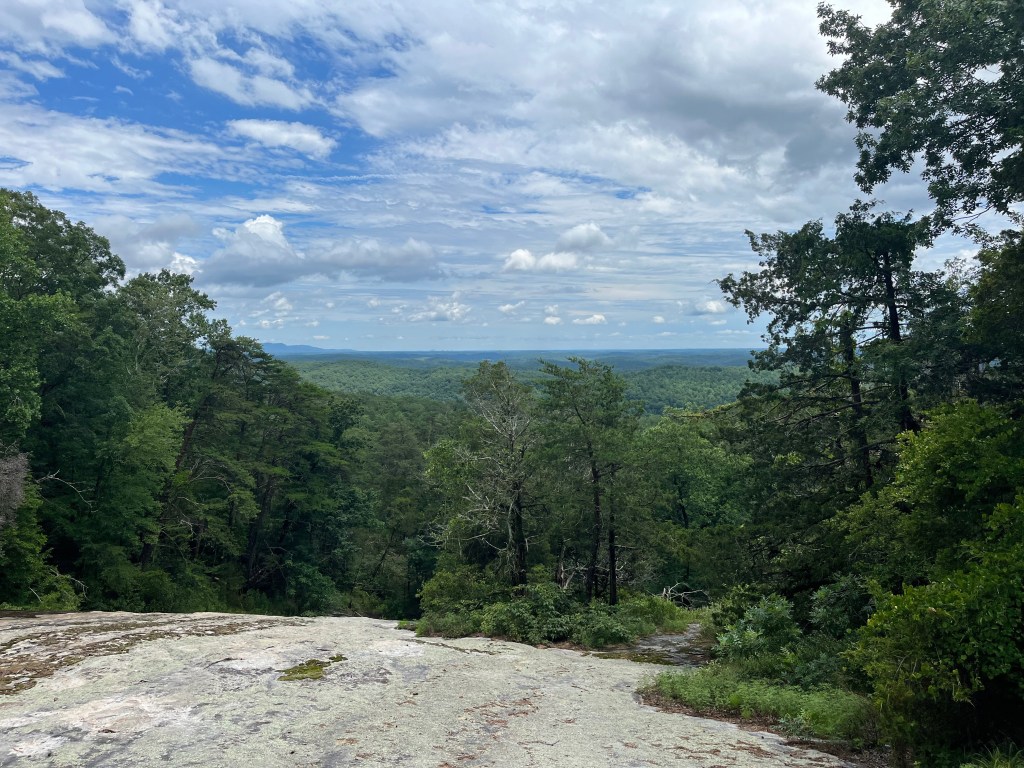
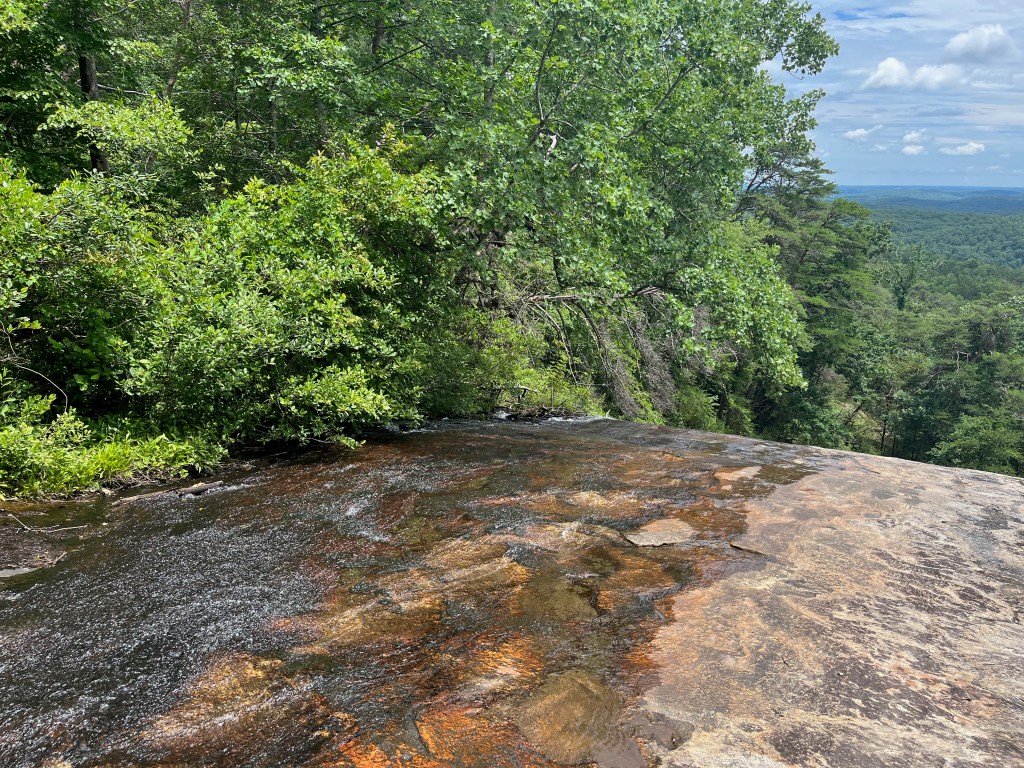
Interwoven into the Eastatoe Valley of the South Carolina is one of my favorite land marks and plant sights. After parking your car near the wall of Sourwood trees, walking past the remains of a former burnt out house, there awaits an epic granite outcrop. There are many interesting, unique specimens amongst the island of vegetations around the slabs of rock. The most unique is Grass of Parnassus (Parnassia asarifolia) which I remember a New York guy telling me circa 2012 it was “the most expensive seed to buy.” Watch out for methheads too or whoever does the spray painting up there. Look further and there is an even better plant..a Pitcher Plant…in the mountains.. wild. The epic, the famous, Mountain Sweet Pitcher Plant (Sarracenia jonesii). Not the most upright and beautiful within the Sarracenia genus. But, maybe, the most elusive. It only exists and stays alive due to a trickle of water from the higher elevations of nearby mountains. And, they exist directly beside dry as hell plants on the outcrop which creates a unique juxtaposition.
-
Low Country Boneyards
-
Roadside Georgia Fever
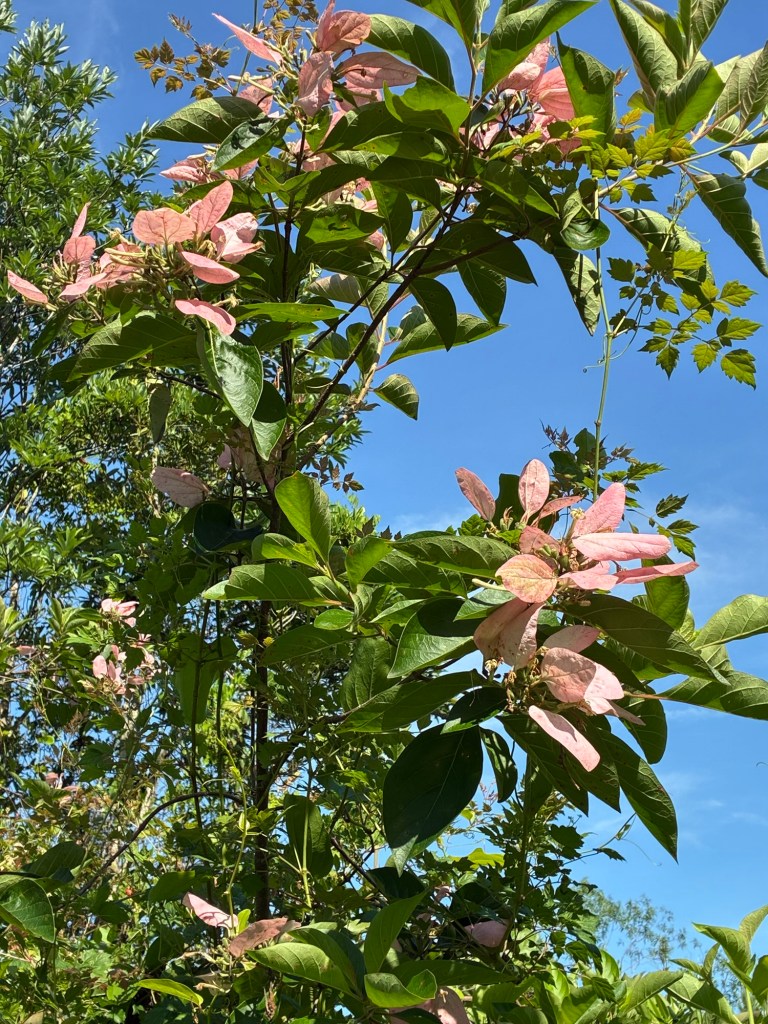
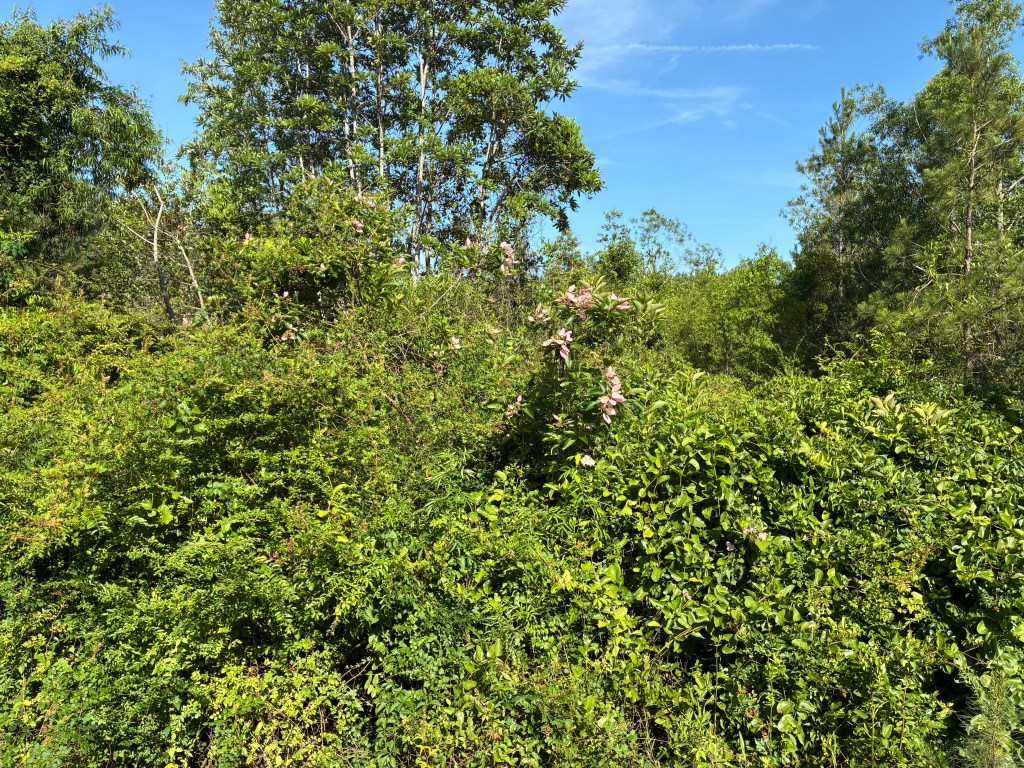
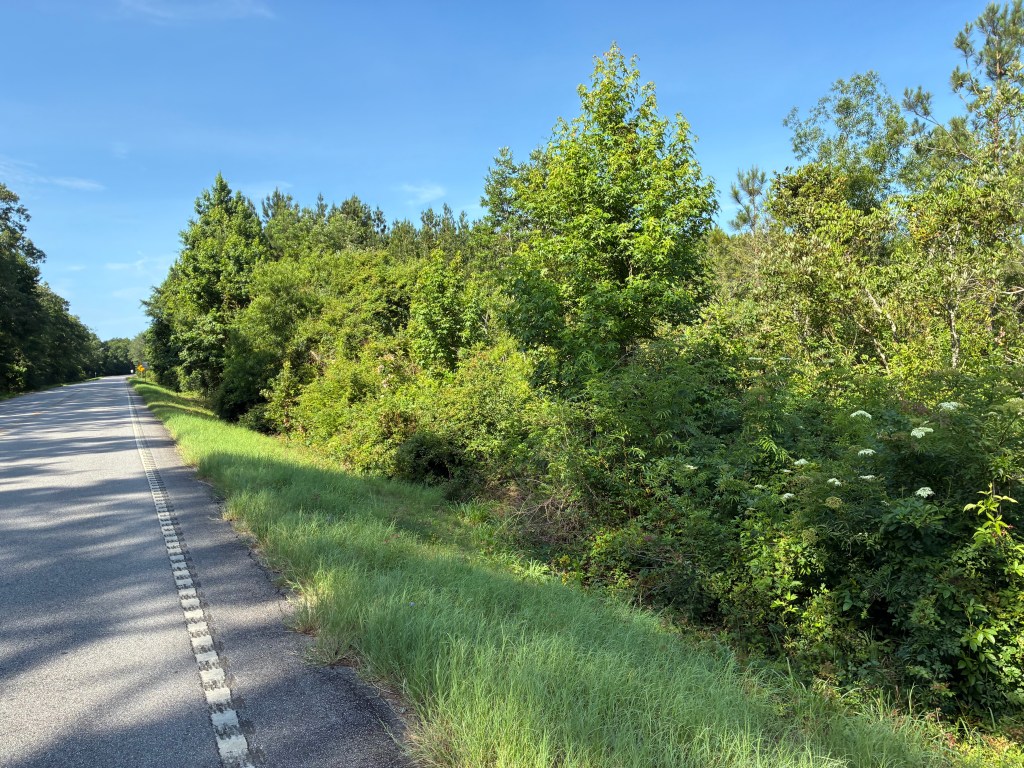
Back during my days at the South Carolina Botanical Garden while building the Natural Heritage Trail (native plants from mountains to sea of the Carolinas), the holy trinity of rare southeastern trees was Elliottia racemosa (Georgia Plume), Franklinia alatamaha (Franklin Tree), and Pinckneya pubens (Georgia Fever Tree). Fast forward to a co-worker recently showing me recent photographs of plants he saw on a bird expedition and I had him stop at the site of Pinckneya. He asked if it was Tung Oil Tree. Next day, I drove to the site and confirmed it as several examples of roadside Pinckneya on the Georgia / South Carolina border west of the Savannah River near Clyo. Unfortunately, the habitat seems degraded and perhaps the hydrology changed. The trees were nearly buried in peppervine, Smilax greenbriar and other opportunists. If it were not in riotous bloom, it would probably be invisible. But, on this day, the pink poinsettia-like flower dotted the landscape along the road.
-


-
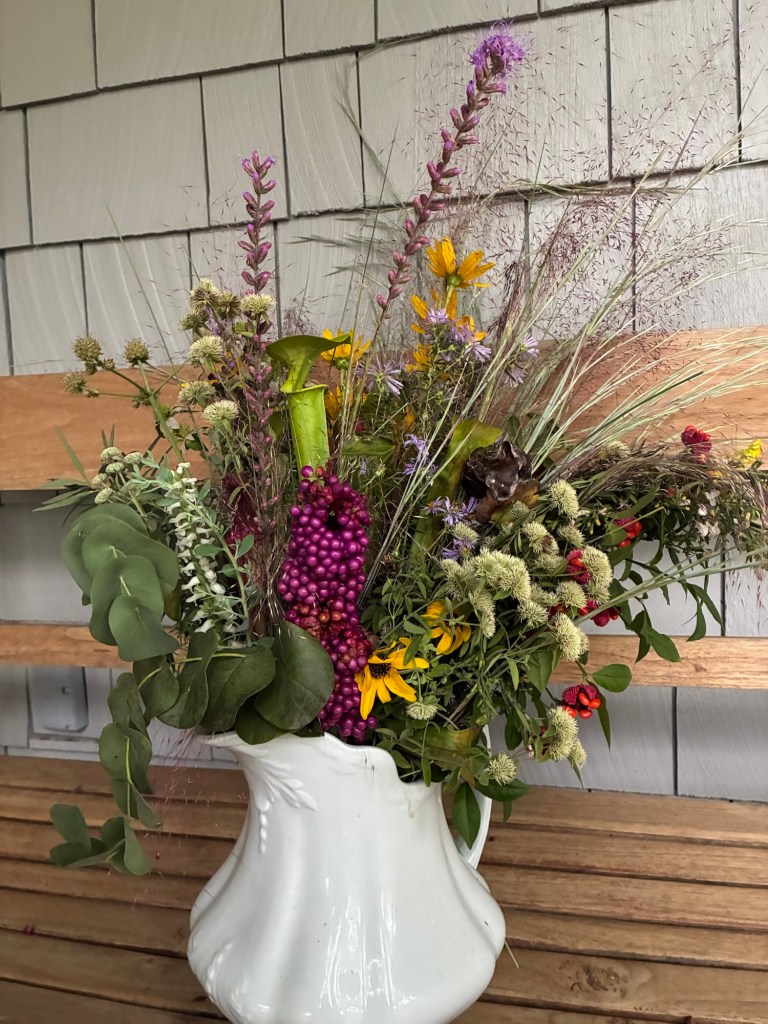
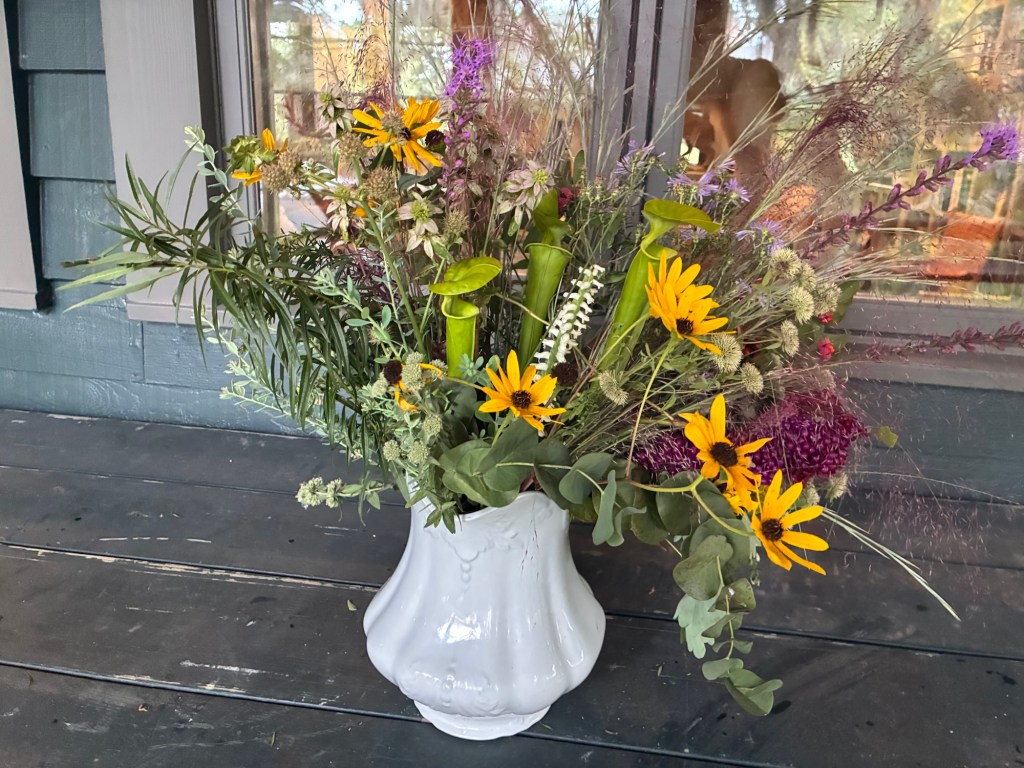
DIY Flower Arrangements,
you don’t need a florist if you have a garden.

-
Painting the Landscape with Fire

The history of land management co-evolved with the ecology of fire. Tens of thousands of years ago, Native Americans burned tracts of land. Amongst the reasons were clearance for sight lines, setting up villages, protection from enemies, and the cultivation of land through agriculture. These fires, especially in the southeastern United States, regenerated the land and reset them from stages of succession. Plants, trees, eco-systems, habitats, and plant communities developed adaptations to survive, regenerate, and thrive after burning.
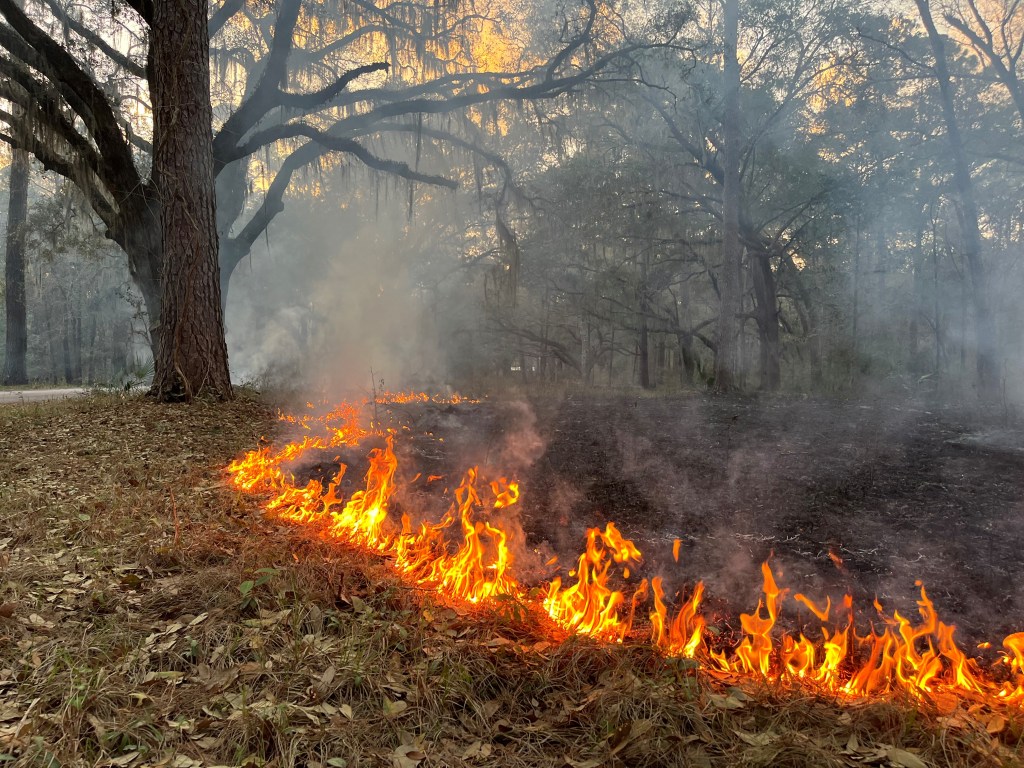
Prior to human involvement, lightning strikes made fire obligatory in the landscape at regular intervals and shaped the land into grasslands and savannahs. European settlers followed and they rapidly learned the benefits of fire to aid their dependance on hunting and herding in the open landscapes.

Whatever the history and reasons, prescribed fire became an essential management tool in fire adapted ecosystems to restore equilibrium, increase health and control vegetation. Fire keeps the land more open thereby allowing sunlight to reach the herbaceous ground cover layer. Otherwise, without management, the thick understory shrub layer would outcompete the herbaceous layer through succession.
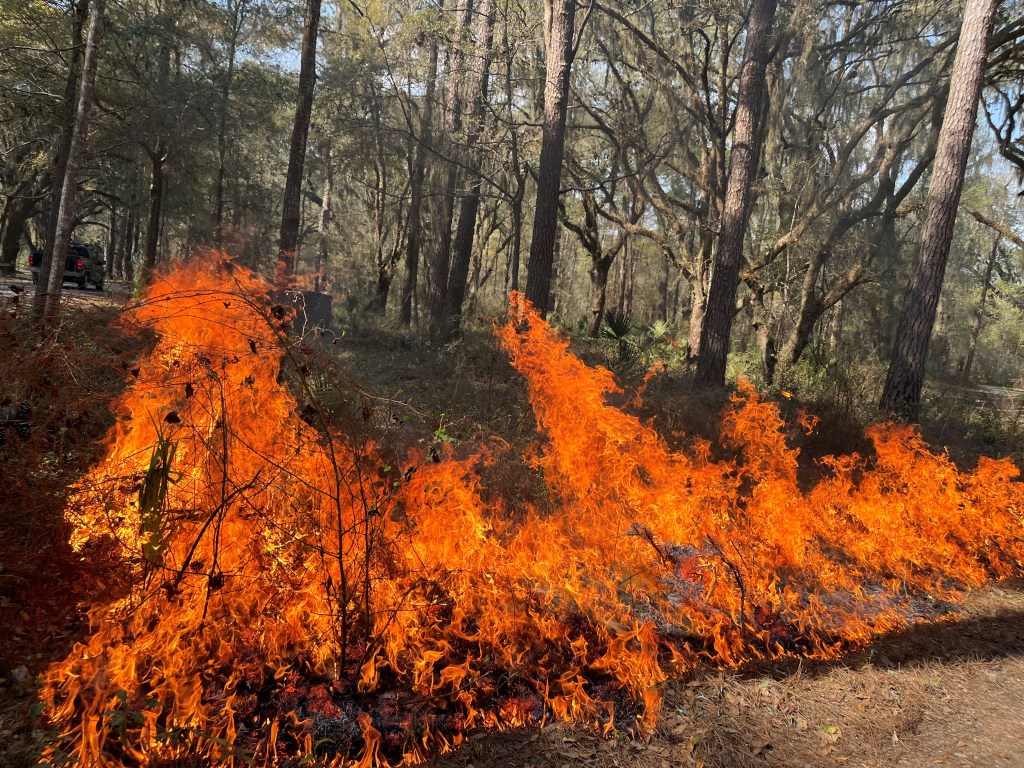
Fire is also economical and efficient. The other alternatives of mechanical removal and chemical herbicide control of undesired and aggressive vines and shrubs have cost and ecological downsides. Depending on the area of the country you are in, plants such as Chinaberry, Chinese Tallow Tree, Japanese Honeysuckle, Chinese Privet, and miscellaneous aggressive vines can be controlled efficiently through fire.

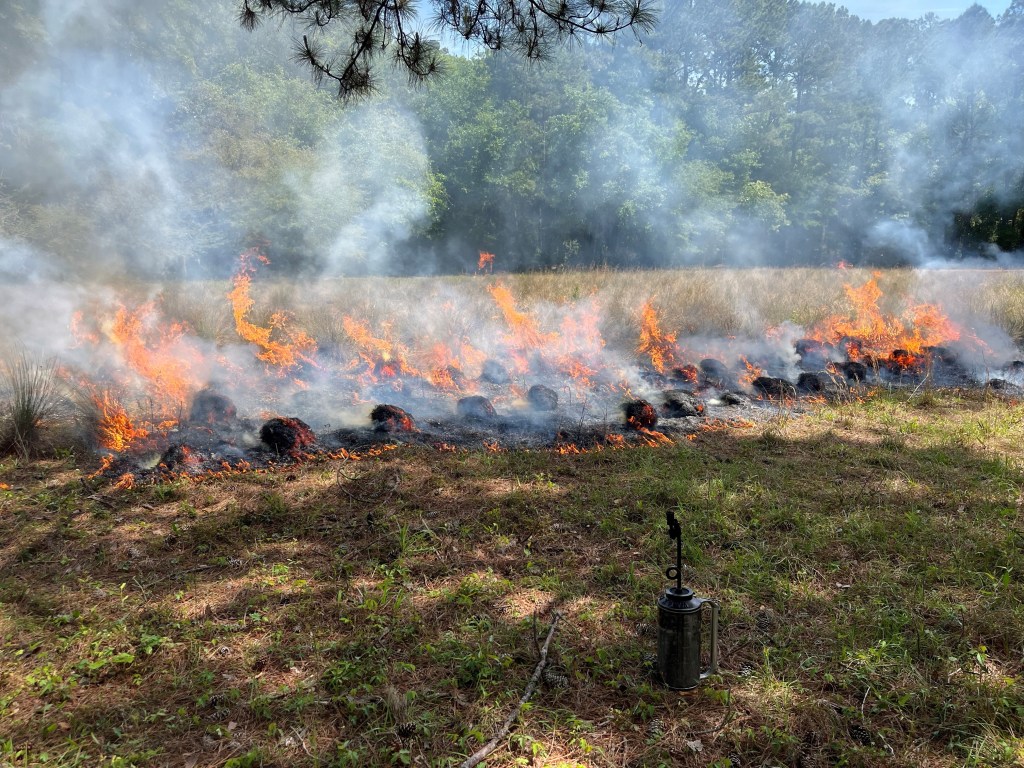
Prescribed fire is an art and a science. It depends on many simultaneous factors for a successful burn. As with everything, nothing beats the repetition of experience. For a successful and responsible burn, many simulaneous factors are essential: synching up a favorable weather forecast, specific weather conditions, acceptable humidity levels, changing wind patterns, and rainfall. Strategies such as fire breaks and discing the land aid in controlling and limiting the spread of fire. Backfires are often used to burn against the flow of the wind patterns to slow the spread and temperatures of the fire. Headfires are lighting with the wind which is used sparingly because it can move the fire rapidly and more out of control. Spotfires and flanking fires are other additional techniques in the arsenal of the fire manager.

Knowledge of what you are burning and how much you are burning is required prior to lighting a drip torch. The plant debris or fuel determines what the fire will do and where it will go. Mathematical estimations of fuel loads as well as science such as ventilation rates, dispersion, inversion, and air stagnation play essential roles in how the fire interacts with the landscape. Burn maps and plans are often drafted well in advance of burning. Periodic fire keeps fuel loads lower and limits the spread of larger, more uncontrolled fire. Smoke is as much of a threat as fire to nearby roads, highways and communities.

In conclusion, prescribed fire is an essential management tool for the landscape. Specific plants communities, like Maritime Forests and Longleaf Pine savannahs depend on it for survival. In an age of increased fragmentation and development, fire needs to be understood and practiced with responsibility and purpose. The present day and future of prescribed burns will continue to evolve as climate changes patterns, human development increases and fragmentation scars the landscape.


-
Sycamore Park, Pennsylvania

Everyone has a favorite garden, park, or natural lands getaway. This is mine.
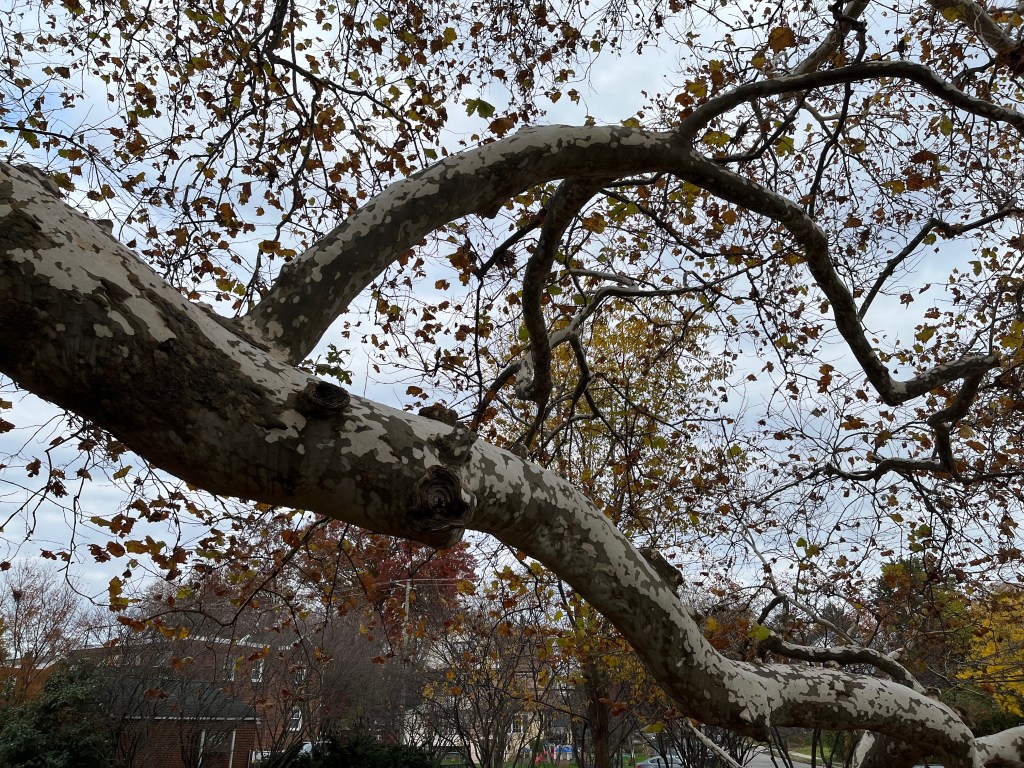
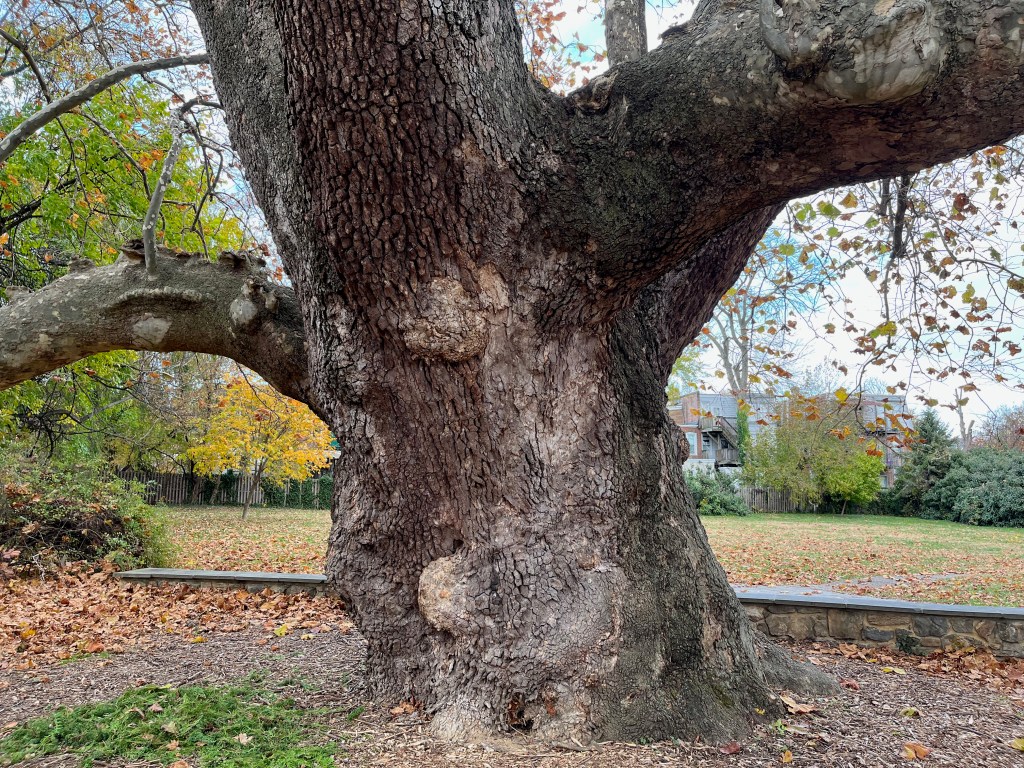
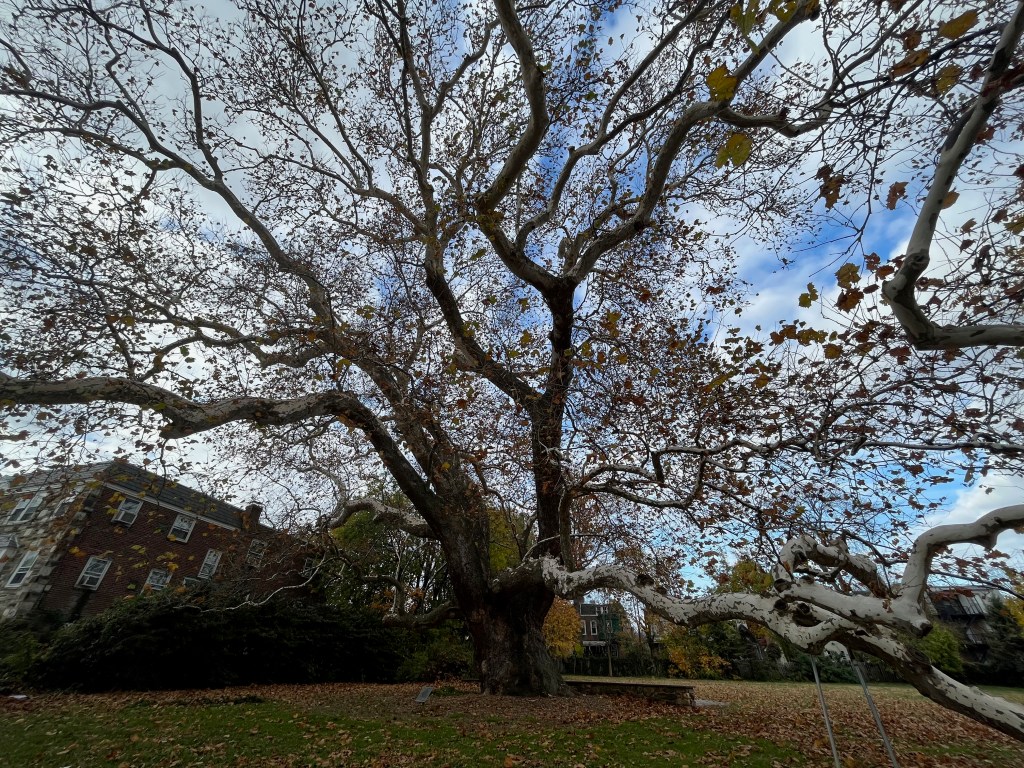
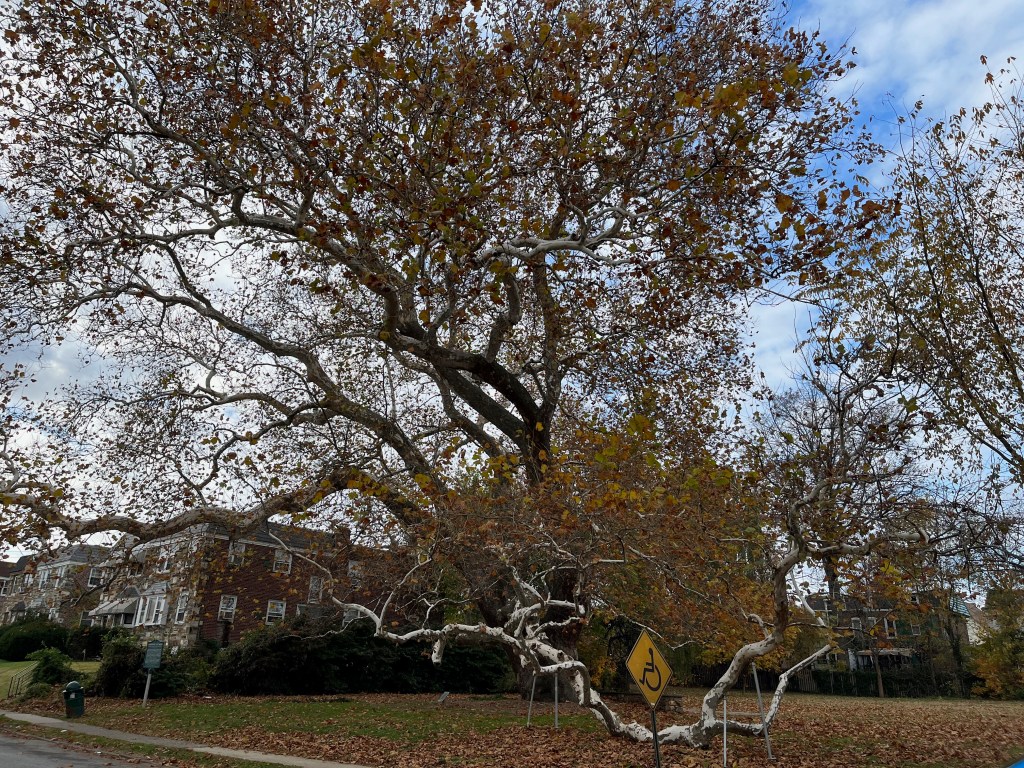
Sycamore Park in Lansdowne, Pennsylvania on the borderline to Philadelphia is a small community park showcasing one very large, very old Sycamore tree, surrounded by turfgrass and within a perimeter of brick row houses. I grew up near this 300-350 year old American Sycamore (Platanus occidentalis). While many parks, gardens, non-profits, and private landscapes struggle with goals, purpose, constraints of maintenance, and reason to be – this park does not.
The park is interwoven into the fabric of the Lansdowne / Upper Darby / Drexel Hill community. The location on a quiet residential street keeps it hidden and isolated from many visitors. Socially, events like birthday parties are held there. There is something ancient and human about a tree symbolized and used as the centerpiece of a park and community. I imagine the Romans and Gauls did the same thing. Native Americans did too, sometimes with nefarious outcomes. For example, the story of the Lenape Indians, William Penn, and the Treaty of Shackamaxon under the majestic Elm at what is now Penn Treaty Park.
Maintenance at Sycamore Park is fairly low. Occasional lawn crews mow the grass where neighborhood kids gather to play football. Old people and locals sit on the wooden bench to watch the surroundings. From a landscape design perspective, Sycamore Park is a statement in subtlety balancing functionality, community engagement, and sense of place. My criteria for a successful landscape is a balance of these elements with also an emphasis on the aesthetic, the functional, and the ecological.

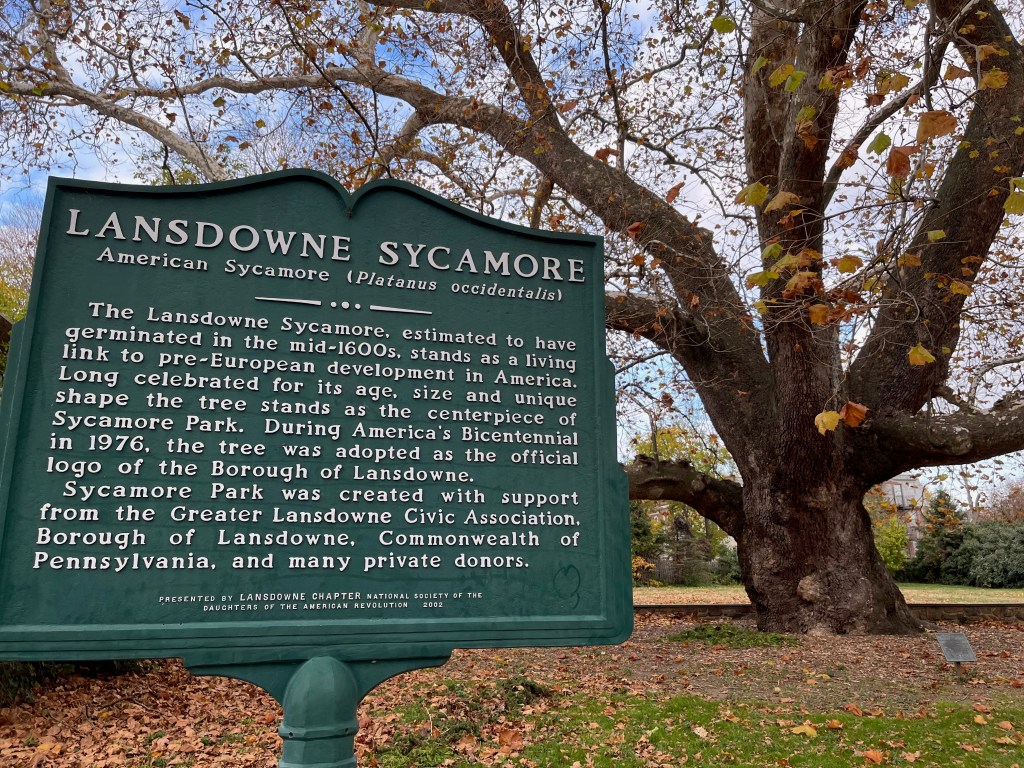
In autumn, Sycamore leaves fall and cover the base of the tree. Local maintenance crews leave the leaves in place as a functional and convenient mulch adding productive biological and fungal properties to the soil.
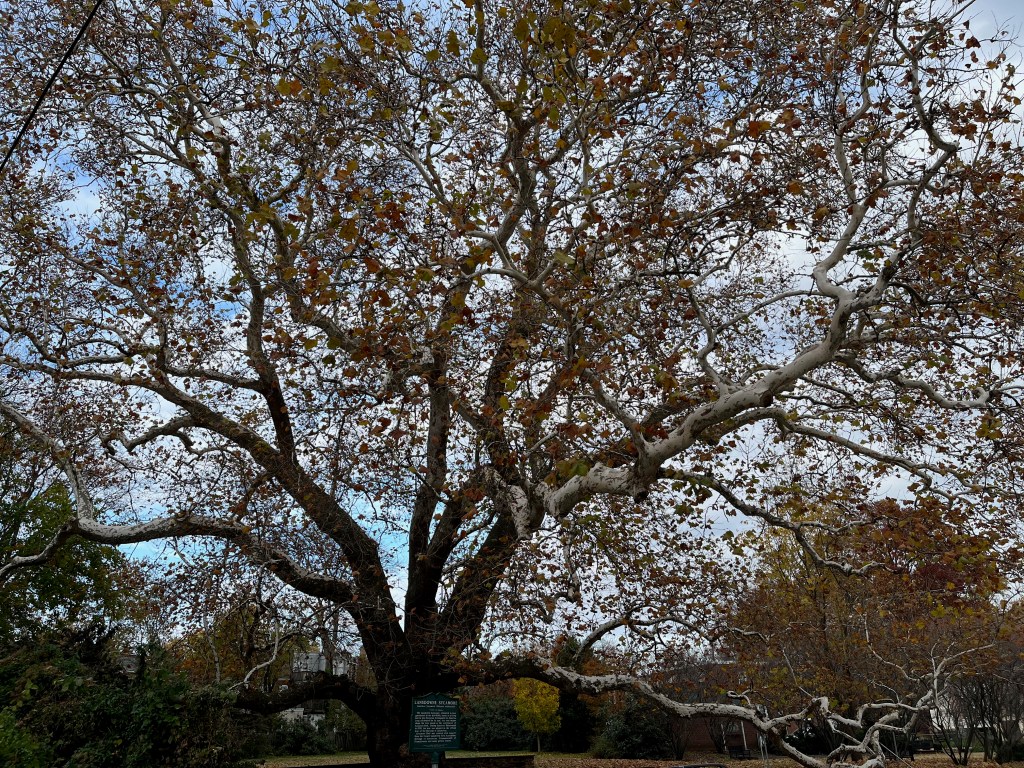
Attributes of the stately Sycamore include the wonderfully smooth white bark, the oversized maple type leaf, and the hanging spiked seed balls. Old Native American lore says that Native Americans would plant Sycamores along riverbanks and wet areas, marking their locations.

-
Coastal Trillium
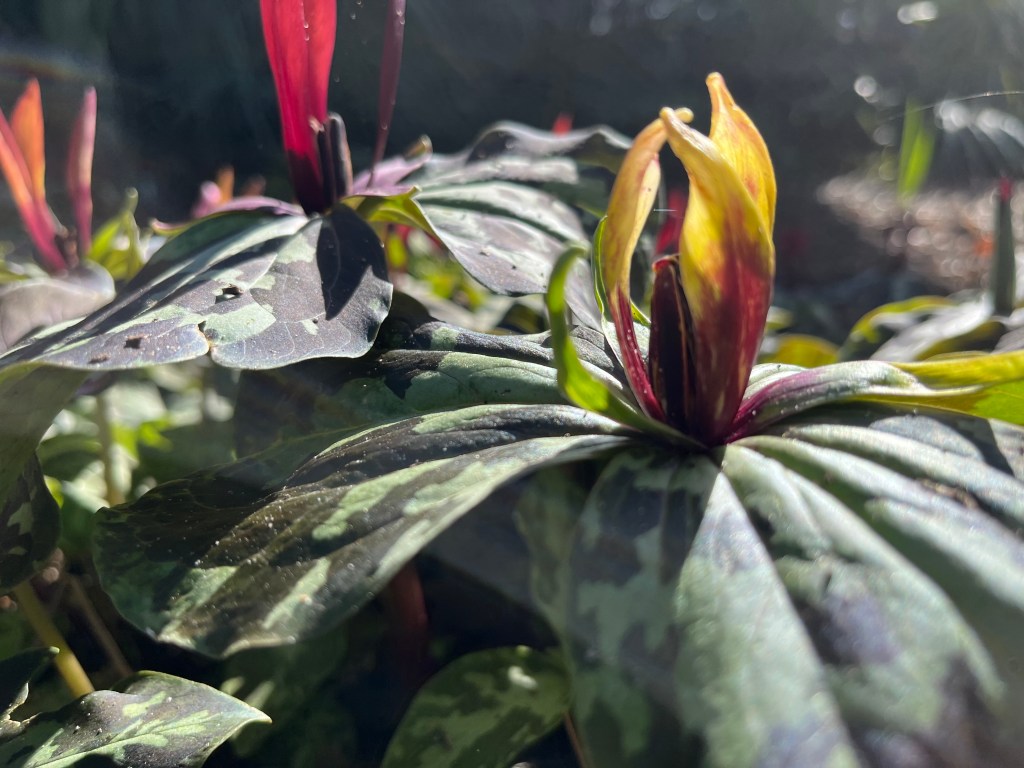
Trillium! Marvel of the woodlands. Jeffersonia, Trout Lily, Thalictrum, the mighty Bloodroot. These are the spring ephemerals. These are my plants during days when nothing else really happens. Their emergence signals that the cyclical circle of seasons has not been disrupted. Everything is in order and all has been restored.
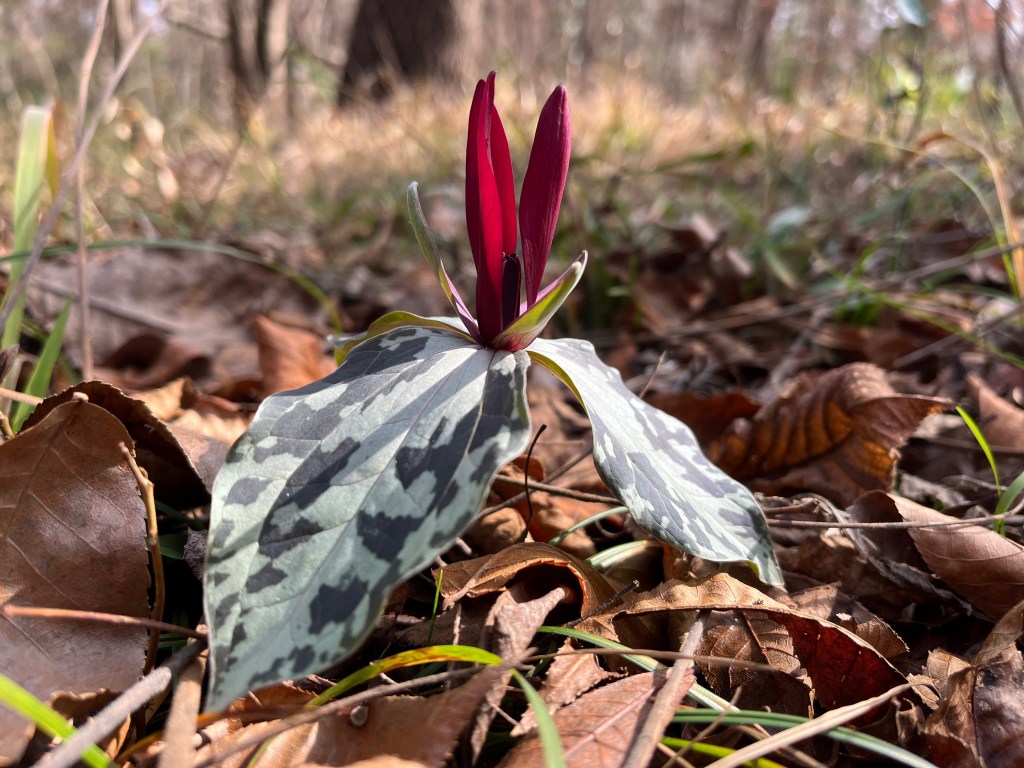
Trillium. Three leaves, three sepals, three petals. Trillium are woodland plants that awaken under the sun of deciduous trees as spring ephemerals.
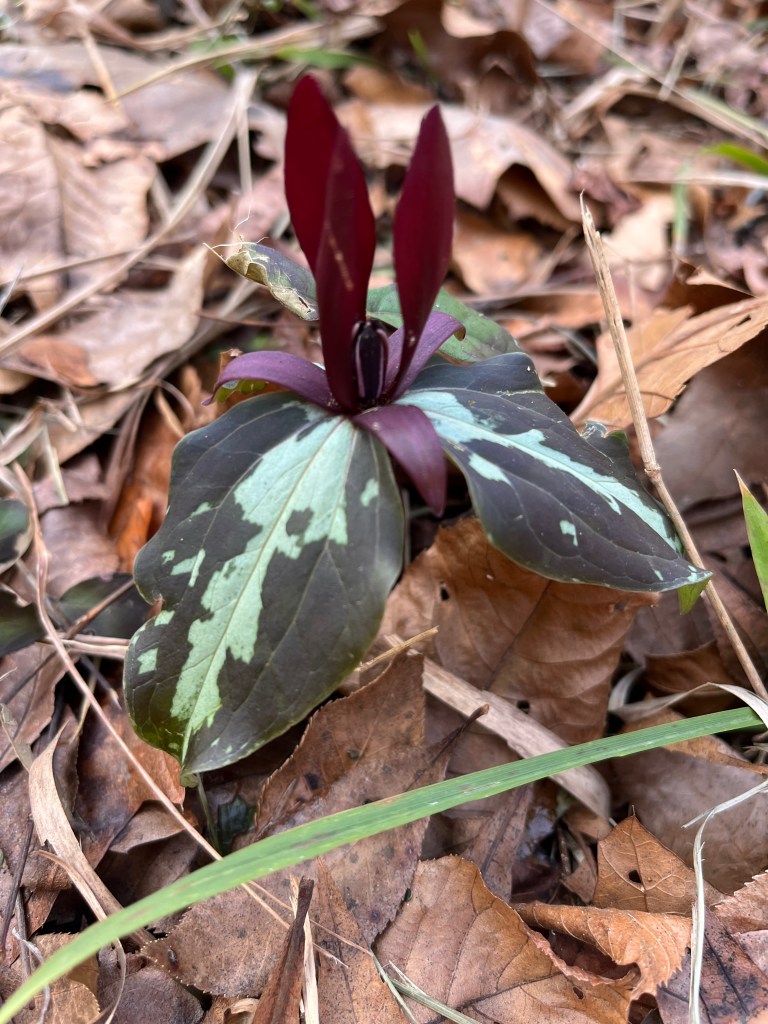
There is a distinction between the majority of northeast and southeast trillium. The majority of northeast Trillium are pedunculate which means the flowers hang on a stem. The leaves of these Trillium are predominantly green. In the southeast, the Trillium are called sessile with the flower sitting directly on the leaves. Sessile Trillium showcase distinctly kaleidoscope camouflage leaves.
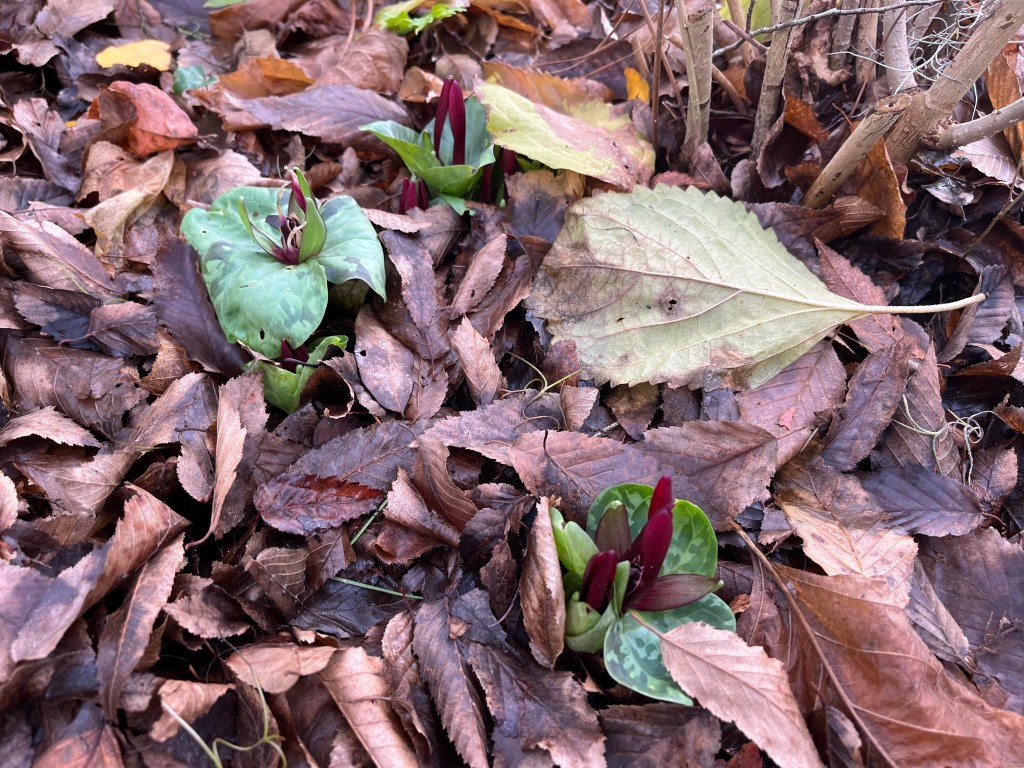
There is much Trillium diversity in the south with over 30 different species. However, many are in the mountains. In the coastal plain, there is 1 species called Trillium maculatum or a slew of common names including spotted toadshade, mottled toad shade, spotted wake robin, spotted trillium, depending on your vernacular. The flower resembles a flickering flashing flame while flaunting flashy inkblot leaf patterns. These sessile Trillium multiply in clumps and also by seed.
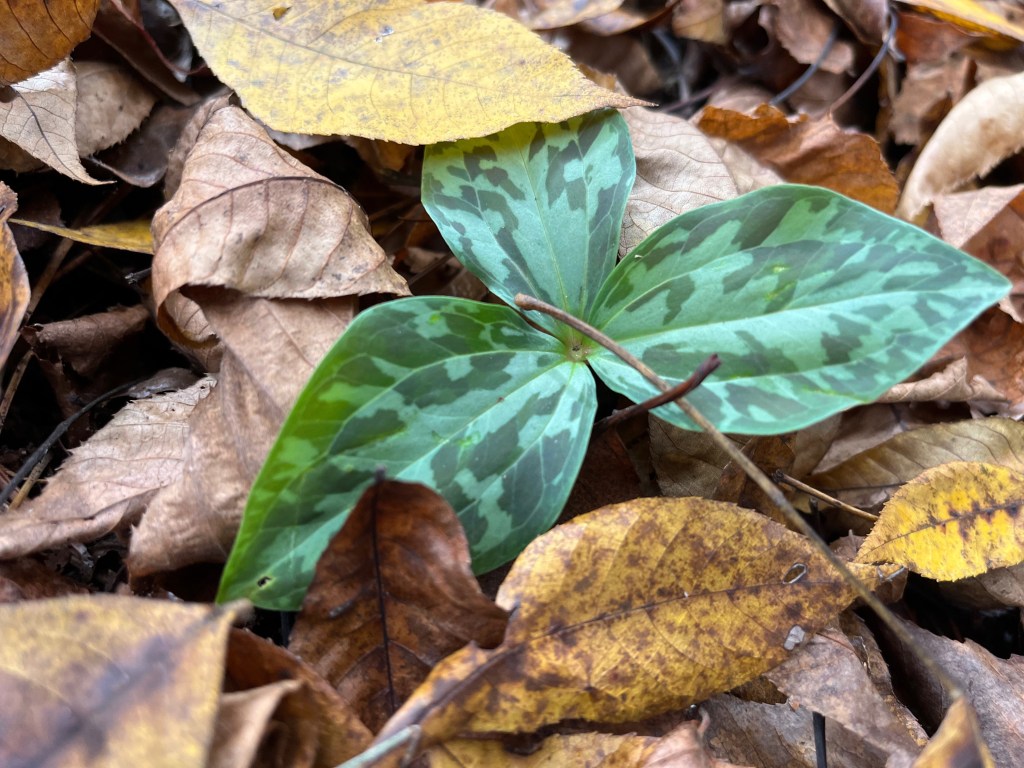
Young Trillium Trillium maculatum grows in calcareous (high pH and nutrient rich) bluffs in mesic woodlands between Charleston and the middle of Florida. The soil in these coastal mesic woodland areas is unique. Years and years of Native American oyster shells collecting, gathering, and dumping in these areas loaded the soil with calcium carbonate which raises the pH and makes more nutrients available to the plants. Other unique to the southeast plants that grow in these plant communities include Red Buckeye, Indian Pink, Tulip Poplars, Bloodroot, and Black Walnut.

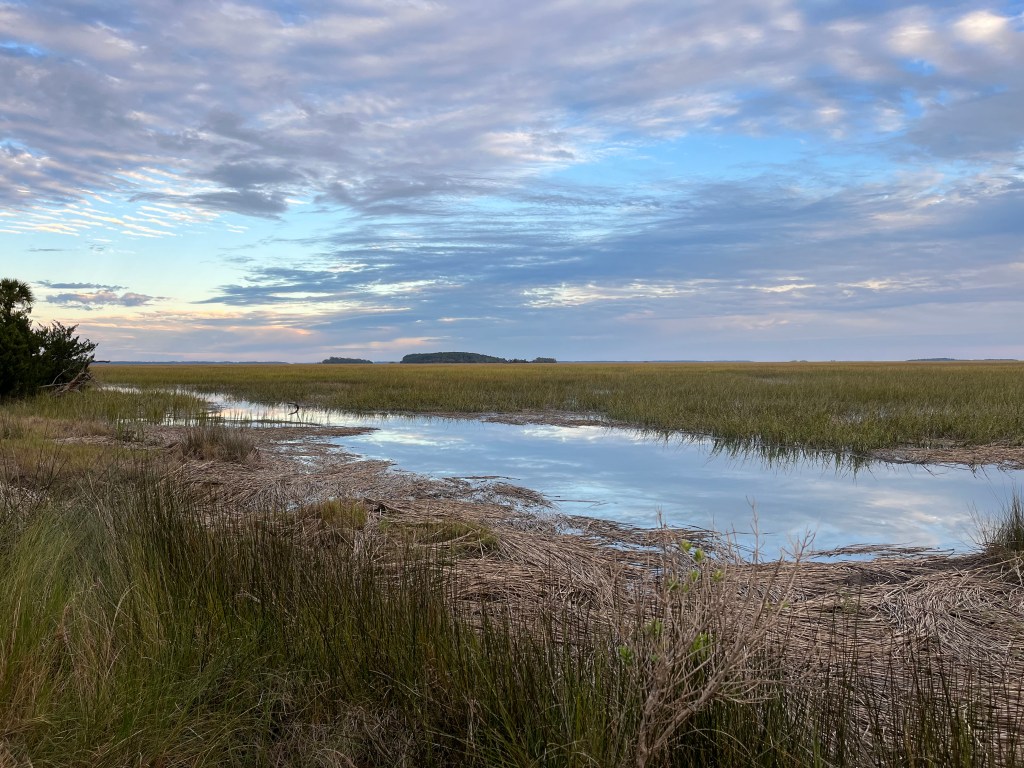
Trillium growing with Bloodroot These Trillium grow naturally on a sea island in Beaufort County, South Carolina. They grow approximately 1000 feet away from this salt water tidal river scene.
Other miscellaneous information about Trillium is that they are monocots and used to be classified in the lily family. They are pollinated by fungus gnats. The fragrances of flower between species vary between rotting meat and lemon-y dish soap. Trillium maculatum has the privilege of the latter. They produce sugary seed fruit clumps called elaiosomes which wasps, ants, and bees haul away to eat while depositing seed in the soil. Last but not least, as a retired Michigan school teacher, Fred Case and his wife Roberta were the king and queen of Trillium and wrote a wonderfully recommended book titled Trillium.

-
Subscribe
Subscribed
Already have a WordPress.com account? Log in now.
 Green Is The Color